Why Your Ears Won’t Stop Ringing: Tinnitus, Its Causes, and Proven Coping Strategies
- Get link
- X
- Other Apps
Introduction
Have you ever experienced a persistent ringing in your ears that seems to come from within your head? A noise that serenades you in the quietest hours but can’t be traced back to any external source? If so, you’re not alone. This condition, known as Tinnitus, is a common yet puzzling phenomenon that millions of people deal with every day. In this article, we’re going to dive into what Tinnitus truly means, its various forms, and its significance in medical diagnosis.
What is Tinnitus?
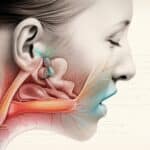
Tinnitus is a peripheral audiological condition characterized by a perception of constant noise or ringing in the ears. But, it’s so much more than just an annoying sound. It’s a complex condition that could be symptomatic of deeper health issues, or sometimes, a unique health issue in itself. Tinnitus isn’t a disease, but rather a symptom that something is amiss with your auditory system – something we’ll be exploring in greater detail later in the article.
Significance of Tinnitus in Medical Diagnosis
We often tend to ignore our body’s subtle warning signs. Persistent tinnitus should not be one of those. It’s vital to understand that Tinnitus could be a warning bell signaling a medical concern that warrants attention. Be it age-related hearing loss, ear injury, circulatory system disorder, or something as common as earwax blockage; Tinnitus can be a clue to many health problems. It’s like a jigsaw puzzle piece that, when put together with other symptoms, can help healthcare professionals identify the root cause of the problem.
Understanding the Different Types of Tinnitus
Just like no two musical notes are the same, every person’s experience with Tinnitus is unique. The perceived sound differs from person to person – some describe it as a buzzing sound, some hear a whistle while others hear a clicking noise. This is because Tinnitus is not a one-size-fits-all condition, and it comes in various types – Objective and Subjective Tinnitus, Pulsatile and Non-Pulsatile Tinnitus, and Chronic and Acute Tinnitus, to name a few. Each of these presents a unique auditory experience, labeled by how the sound is perceived and whether or not those sounds have a rhythm to them. Understanding these types not only gives us a deeper insight into the mysterious world of Tinnitus but also helps us devise targeted strategies to manage and potentially treat this condition better.
When Should I Worry About Tinnitus?
It would be a mistake to equate tinnitus with minor discomfort. Though it might come off as minor ringing or persistent noise in your ears, tinnitus mustn’t be ignored. If you notice that the noises are becoming continuous and increasing in volume, reaching a point where they start disrupting your daily life, it’s a signal to worry. Perhaps, you have started ignoring social events to stay away from the noise, or maybe, the sound inside your head is getting so loud that it’s interrupting sleep. Any drastic change in your routine induced by the inner ear sound calls for immediate medical consultation. Here’s a blog post on our site When Should I Worry about Tinnitus, it provides more in-depth assistance about the signs you should be looking out for if you’re suffering from Tinnitus.
Ringing Ear Sound: An In-Depth Look
So, what exactly does Tinnitus sound like? For some, it’s like a persistent ring, while for others, it’s a high-pitched whistle, buzz, or hum. The sound can vary greatly in pitch, from a low roar to a high squeal or whine, and it can be heard in one or both ears. The noises might seem negligible in the cacophony of usual day-to-day sounds, but in quieter environments, they get amplified, creating uneasiness.
The sounds of Tinnitus also vary in duration – some people face momentary disruptions whereas, for some, it’s a never-ending noise show. Ringing ear sound is truly a unique, personalized concert that one neither bought tickets for nor wishes to attend.
Tinnitus: Inside the Head Sound to Reality
What truly amplifies these disturbing noises is their invisible nature. Imagine hearing a whistling sound every day and knowing that it is all inside your head instead of having a source you can move away from. How you perceive these sounds greatly influences your reaction to them, escalating their impact on your life. They can cause emotional distress, leading to depression, anxiety, and sleep disturbances. So much so that the term “phantom noise” has been coined to describe this phenomenon. The American Tinnitus Association (Website named for SEO Anchor text) terms tinnitus as “auditory phantom pain,” truly capturing the essence of what living with Tinnitus means.
In our blog post Tinnitus: Inside the head sound to reality we illustrate instances of how Tinnitus transforms from being just an ailment to defining and dictating your lifestyle. Reading it can provide valuable insights for understanding and perhaps, empathizing with the daily struggle of Tinnitus patients everywhere.
Treating And Coping With Tinnitus
Living with tinnitus can be challenging. However, various treatments and coping mechanisms can help manage tinnitus and significantly improve the quality of your life. It is essential to recognize that as of now, no definitive cure for tinnitus exists. The aim of the treatment is primarily to help you manage your perception of the sound in your head. Approaches vary from medicinal treatments, therapy-based treatments, and lifestyle changes to technological solutions.
Medicinal treatments can include drugs to manage the symptoms of tinnitus, such as certain antidepressants or anti-anxiety medications. Therapy-based treatments could involve cognitive behavioral therapy, which aims to help change the way you think about your tinnitus so it becomes less noticeable. Lifestyle changes – such as a healthier diet, reduction in exposure to loud noises, and managing stress levels – can significantly affect the intensity of your tinnitus. Lastly, technological solutions can include hearing aids or devices that produce a sound to mask the noise caused by tinnitus.
Allergies and Tinnitus: What’s the Connection?
Did you know that your sneezing and a constantly noisy ear might be related? Yes, you read it right! Conditions like allergies can indeed exacerbate tinnitus.
Allergies can lead to inflammation in various areas of the body, including the ear. This inflammation can cause pressure changes in the ear and can affect your hearing, leading to or worsening tinnitus.
Luckily, the relationship between allergies and tinnitus offers a silver lining. It means that managing your allergies well can also assist in controlling your tinnitus. Antihistamines, corticosteroids, decongestants, or allergy shots can help reduce allergy symptoms, potentially also easing tinnitus.
You may explore our post on the link for more information about how allergies and tinnitus are connected.
Conclusion
In understanding the world of ringing ear sounds or Tinnitus, we ventured into a journey of grasping the nuances of our auditory system. We discussed the varying types of Tinnitus and their sound manifestations, the correlation of Tinnitus with other potential health issues, how and when should one be concerned about it, and potential ways to cope with it.
Indeed, Tinnitus can be a battle for those who hear the noise. Nevertheless, with continual research and development in medical science, more effective solutions to manage and potentially treat Tinnitus progressively come to the fore.
As per the Mayo Clinic: ‘Symptoms and Causes of Tinnitus,’ and the WebMD page: ‘Understanding Tinnitus,’ more light is being shed on understanding and effectively managing this condition.
Remember, it’s not just about living with tinnitus, it’s about leading a fulfilling and productive life despite it.
Ringing Ear Sound - Frequently Asked Questions (FAQ)
Tinnitus is a medical condition characterized by a perception of sound within the human ear in the absence of corresponding external sound. It causes ear ringing due to abnormalities in the ears, brain, or auditory nerves.
You can refer to this article for a detailed understanding of tinnitus causes.
If you often hear a buzzing, ringing, clicking noise in your ears, especially when in quiet environments, you might be experiencing tinnitus. More severe symptoms include difficulty sleeping, problems focusing, and emotional distress. Consulting with a medical professional is the best way to get an accurate diagnosis.
There is currently no cure for tinnitus, but there are treatments and therapies that can help manage it. This can include sound therapy, cognitive behavioral therapy, tinnitus retraining therapy, medication, or in some cases, surgery, depending on the cause of tinnitus. Lifestyle changes like a balanced diet, exercise, good sleep hygiene, and stress management can also help.
Yes, allergies can lead to inflammation in various areas of the body, including the ear. This inflammation can cause pressure changes in the ear and affect your hearing, resulting in or exacerbating tinnitus. Effective management of allergies can help control tinnitus symptoms. You can refer to this article to understand the connection between allergies and tinnitus.
Yes, despite its challenges, many people with tinnitus continue to live fulfilling and active lives. It’s not just about living with tinnitus, it’s about leading a fulfilling and productive life despite it. Treatment and self-care strategies can help manage the condition and reduce its impact on your lifestyle and well-being.
The post Why Your Ears Won’t Stop Ringing: Tinnitus, Its Causes, and Proven Coping Strategies appeared first on Pulsatile Tinnitus Treatments News - Tinnitus Relief.
Related posts:


https://ift.tt/fxpUKPz
#tinnitus #pusatiletinnitus #earringing #whatistinnitus #howtostoptinnitus
- Get link
- X
- Other Apps


Comments
Post a Comment