The Hidden Link Between Ear Fullness & Tinnitus: What You Need to Know Now
- Get link
- X
- Other Apps
Introduction
Unpleasant sensations, like a constant ringing in your ears or the feeling of a clogged ear, may simply seem like minor inconveniences. But when these signs persist, they may point toward a well-known auditory condition – Tinnitus.
Understanding Tinnitus And Blocked Ears
Tinnitus is a condition characterized by a persistent ringing, buzzing, or whistling sound in the ears in the absence of an external noise source. It’s a symptom rather than a disease and may indicate a problem in your ear, auditory nerves, or some areas of your brain that interpret nerve signals as sound.
If you’re experiencing tinnitus, the feeling of a blocked ear can feel exceptionally distressing. But is this sensation the same as having water or wax stuck in your ear after swimming or showering? Not necessarily. Tinnitus and the sensation of a clogged ear often co-occur, and it’s usually more than just debris in your ear.
Now, you may wonder: How is tinnitus different from regular ear ringing? Well, occasional exposure to loud music, an ear infection, or even ear debris can cause temporary ear ringing. In comparison, tinnitus is chronic, and the perceived sounds may vary from low to high pitch, continuous or intermittent, and one or both ears could be affected.
The Sounds of Silence: Symptoms of Tinnitus and Clogged Ears
The symptoms associated with Tinnitus extend beyond a persistent ringing sound. Many individuals describe hearing the sound of running water, the buzzing of insects, the roar of a crowd, or even music. These sounds can cause a lot of distress and affect your focus, mental peace, sleep, and overall quality of life.
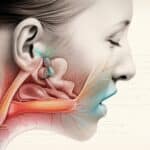
One of the common complaints from those suffering from tinnitus is ‘blocked ear tinnitus’ or a sensation of fullness in the ears, like when you ascend or descend in an airplane rapidly. This feeling isn’t always due to physical blockage and may rather be a symptom of tinnitus or underlying ear problems.
Understanding the Connection: Can Blocked Ears Cause Tinnitus?
Is there a connection between tinnitus and feeling like your ears are stuffed or blocked? As per WebMD’s comprehensive guide on Tinnitus, blocked ears might not directly cause tinnitus. However, anything that affects your ear or the auditory pathway, especially ear infections, can trigger or worsen tinnitus.
Even though the definitive cause-and-effect relationship remains ambiguous, people suffering from tinnitus often report episodes of ‘blocked ears’ in the absence of any physical ear blockage.
Exploring Causes of Tinnitus and Blocked Ears
Several factors may contribute to the precursors of ‘tinnitus clogged ear’ and ‘tinnitus and clogged ears.’ These might involve age-related hearing loss, exposure to loud noises, earwax blockage, changes in the ear bones, Meniere’s disease, and TMJ disorders, among others.
In many instances, tinnitus serves as an early warning sign of these conditions. For instance, many individuals visiting the site pulsatiletinnitustreatments.com wonder: ‘Why does tinnitus make your ear feel blocked?’ To answer this, the nervous system often interprets damage to the auditory system as ‘phantom’ sounds, leading to symptoms of tinnitus. Consequently, the false sensation of a blocked ear or ear fullness results from the disturbed function of the auditory pathways and not actual obstructions.
In essence, understanding the nuances of why and how tinnitus is related to the feeling of clogged ears is critical to devising effective treatment strategies, which brings us to explore available treatment options for this condition.
Journey to Diagnosis: Understanding Tinnitus and Clogged Ears
Detecting tinnitus, especially when it’s tied to the intriguing sensation of a blocked ear, involves comprehensive consultation, clinical examination, and auditory tests. Primarily, your healthcare provider will start with an in-depth review of your health history and a physical examination of your ears, head, and neck.
Do remember that diagnosing tinnitus isn’t merely about finding the symptoms but uncovering the root cause. Hence, your doctor might order various medical tests and imaging like MRI or CT scans. Audiologists may employ different sound tests to evaluate your auditory capabilities, identify the range and type of sounds you perceive, and identify possible sources of your tinnitus.
Navigating Through The Treatment Options
Depending on the cause and nature of your tinnitus and blocked ears, a variety of treatment options are available. If your tinnitus is triggered by a specific underlying condition, treating that condition might help. Similarly, the removal of earwax, changing medication, or addressing a vascular condition might be beneficial.
While there is no one-size-fits-all cure for tinnitus, several remedies can help minimize the severity of the symptoms and improve your quality of life. You could explore sound therapy, cognitive behavioral therapy, Tinnitus retraining therapy (TRT), and even simple lifestyle modifications.
Many people find solace in home remedies and natural treatments, such as supplements like gingko Biloba and essential oils. For example, one blog post on Pulsatile Tinnitus Treatments discusses how natural remedies may provide relief.
Prevention: The Best Cure
As the famous adage goes, prevention indeed is better than cure. Conserving good ear health reduces the risk of developing tinnitus and blocked ears. Avoid exposure to loud noises or use hearing protection when unavoidable. Practice good ear hygiene but avoid excessive cleaning, which can lead to earwax buildup.
Also, maintaining good overall health can keep various tinnitus triggers at bay. Regular exercise, a balanced diet, and avoiding potential irritants like tobacco and caffeine can make a huge difference.
Conclusion
Tinnitus and the sensation of having a clogged ear can undeniably pose unique challenges to your daily life. However, understanding the intricacies of these conditions, how they interrelate, and knowing your treatment options can enable you to regain control.
Knowledge is power. The more you learn about tinnitus, such as through Facts about tinnitus from the American Tinnitus Association and Harvard Health’s guide on tinnitus, the better equipped you’ll be to manage or prevent these conditions effectively. In your journey to silence, remember you’re not alone.
Clogged Ear And Tinnitus - Frequently Asked Questions (FAQ)
Tinnitus is an auditory condition characterized by the perception of noises or ringing in the ears or head when no external sound is present. The sounds can be different for each person and can occur intermittently or persistently.
There is a potential connection between tinnitus and blocked ears. Blocked or clogged ears might not directly cause tinnitus. However, anything that affects your ear or the auditory pathway, especially ear infections, can trigger or worsen tinnitus.
Diagnosting Tinnitus and blocked ears involves a comprehensive consultation, clinical examination, and auditory tests. Medical tests, Imaging such as MRI or CT scans, and sound tests may be initiated by your healthcare provider to identify the cause of Tinnitus.
While there is no universal cure for Tinnitus or blocked ears, several treatment options can help manage the symptoms and improve the quality of life. These include treating the underlying cause, sound therapy, cognitive-behavioral therapy, Tinnitus retraining therapy, and even simple lifestyle adjustments.
The post The Hidden Link Between Ear Fullness & Tinnitus: What You Need to Know Now appeared first on Pulsatile Tinnitus Treatments News - Tinnitus Relief.
Related posts:


https://ift.tt/1OVmbnH
#tinnitus #pusatiletinnitus #earringing #whatistinnitus #howtostoptinnitus
- Get link
- X
- Other Apps


Comments
Post a Comment