From Hissing to Humming: Decoding the Blood Pressure’s Role in Tinnitus and How to Find Relief
- Get link
- X
- Other Apps
Introduction
Have you ever wondered if there’s a connection between that incessant ringing in your ears and your blood pressure? Well, you’re not alone in this pondering. Ear ringing—or Tinnitus as it is scientifically known—and Blood Pressure are closely linked health concerns that are essential to our well-being. But how exactly are these two related? Let’s unravel this thread together!
Exploring the concepts of blood Pressure and Tinnitus
Let’s start by grasping what these two medical terms mean. Blood pressure refers to the pressure exerted by circulating blood upon the walls of blood vessels while the heart is beating. It’s crucial to maintain healthy blood pressure, as elevated levels—commonly known as hypertension—can lead to dangerous health risks like heart disease and stroke.
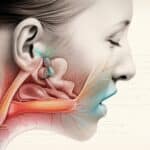
Tinnitus, conversely, is a condition where you hear noises, often a ringing sound, in your ears that others can’t hear. There are two main types of Tinnitus: tonal tinnitus—characterized by continuous sounds, and pulsatile tinnitus—where the sounds are rhythmic and may come and go.
High Blood Pressure and its Effects on the Human Body
Hypertension doesn’t just increase the risk of heart-related ailments. It can have a profound impact on various parts of the body such as the kidneys, eyes, and even your hearing. The [Consequences of High Blood Pressure] are indeed wide-ranging and not something to be taken lightly.
Tinnitus and its Causes
Tinnitus is often triggered by various factors. The most common cause is damage and loss of the tiny sensory hair cells in the cochlea of the inner ear. This usually happens as we age, and it can result from prolonged exposure to extreme noise. Additionally, various health conditions can cause or worsen tinnitus like Meniere’s disease, TMJ disorders, head injuries or neck injuries, acoustic neuroma etc. Explore more about this on our blog posts “What Causes Ear Tinnitus” and “What Tinnitus Causes”. A startling but not often discussed cause is none other than high blood pressure.
Making the Connection: How Does High Blood Pressure Cause Ear Ringing?
But how does high blood pressure lead to ringing in the ears? The ear ringing blood pressure connection might seem odd, but it grows clearer when you realize that our ears are incredibly sensitive to changes in our body’s systems. Our ears can detect how our body is faring and send out warning sounds (like ringing) when something is off. With hypertension, the high pressure may lead to abnormalities or irregularities in blood flow, which your ear translates into sound—hence the ‘ringing’ or ‘buzzing.’
Symptoms to Look Out For
Identifying potential issues is key to managing the effect of high blood pressure on tinnitus. The common signs range from persistent ringing in your ears, hissing, buzzing, to humming noises that aren’t caused by any external noise. Sound familiar? Check out our blog post on “Symptoms for Tinnitus” for a more comprehensive view. But what about the positive signs? The signs that tinnitus is going away could include reduced intensity or frequency of ear ringing, and better sleep–signs that point in a positive direction.
The Role of Lifestyle Choices in Tinnitus and Blood Pressure Management
Both high blood pressure and tinnitus are conditions often heavily influenced by lifestyle choices. Alcohol and caffeine are usual culprits that increase blood pressure and potential tinnitus triggers. On the other hand, stress management, healthy eating, and regular exercise, can play a significant role in keeping both high blood pressure and tinnitus in check. For some, even unconventional methods could work. For instance, marijuana for tinnitus might offer relief for some people. It’s also worth noting that certain circumstances like pregnancy can affect tinnitus conditions, as discussed in our “Tinnitus during pregnancy” post. Making smarter decisions about your health is the first step to improving it. Explore more lifestyle and tinnitus insights on our Lifestyle and Tinnitus blog post.
Treatment and Management for Tinnitus Related to High Blood Pressure
Now, let’s address the elephant in the room, as it’s not all doom and gloom. There’s promising news: tinnitus symptoms related to high blood pressure can indeed be managed and potentially reduced. The key to this lies in meticulous management of your blood pressure as well as adopting strategies to cope with tinnitus symptoms. Your healthcare provider might recommend lifestyle changes, medication, or even specialized therapies.
Our blog post on the “Best Doctor for Tinnitus” might give you better insights on who to see for expert advice. Remember, it’s essential to get a professional diagnosis as everyone’s situation is unique. Don’t forget to check out the [Tips for Managing Tinnitus] too.
Conclusion
Ear ringing and blood pressure — it’s an unlikely pairing that merits our attention. But don’t let it ring alarm bells just yet! With conscious lifestyle choices, regular check-ups, and proper management, it’s entirely possible to live with these conditions, and who knows? Your tinnitus might even improve as your blood pressure does.
All we need is a bit more awareness about our bodies. This gives us the power to control how we deal with life’s challenges, be it tinnitus, high blood pressure, or any other health concern. So, let’s further our understanding together with more insights on Understanding Tinnitus and rediscover the peace that silence brings.
Remember, the journey to health begins with every small step you take. Don’t let the fear of tinnitus hold you back from enjoying the song of life. With knowledge and the right support, you’ve got this! For a deeper understanding of how blood pressure could affect your ear health, you can explore the [Link Between Blood Pressure and Ear Health] as well.
Ear Ringing Blood Pressure - Frequently Asked Questions (FAQ)
Yes, high blood pressure can cause tinnitus or ringing in the ears. When your blood pressure increases, it may lead to abnormalities or irregularities in blood flow, which can be picked up by the inner ear as sound, resulting in tinnitus.
While tinnitus or ear ringing can be a symptom of various health conditions, it is not typically a direct indicator of blood pressure issues. However, if you have high blood pressure and also experience tinnitus, it’s important to discuss these symptoms with your doctor.
Controlling your blood pressure is crucial. This can be achieved through regular exercise, a healthy diet lower in salt, limiting alcohol and smoking, and managing stress. Also, there are several strategies to manage tinnitus, such as sound therapy, cognitive behavioral therapy, and tinnitus retraining therapy. Please seek medical advice for a suitable treatment.
Not necessarily. While persistent tinnitus may sometimes be an indication of an underlying condition like high blood pressure, it’s often caused by common conditions like age-related hearing loss, earwax blockage, or exposure to loud sounds.
Yes, in some cases the ringing in your ears can go away. For instance, if your tinnitus is caused by a treatable condition such as high blood pressure, managing the condition might help reduce or even get rid of the tinnitus.
The post From Hissing to Humming: Decoding the Blood Pressure’s Role in Tinnitus and How to Find Relief appeared first on Pulsatile Tinnitus Treatments News - Tinnitus Relief.
Related posts:


https://ift.tt/j4MW7em
#tinnitus #pusatiletinnitus #earringing #whatistinnitus #howtostoptinnitus
- Get link
- X
- Other Apps


Comments
Post a Comment